
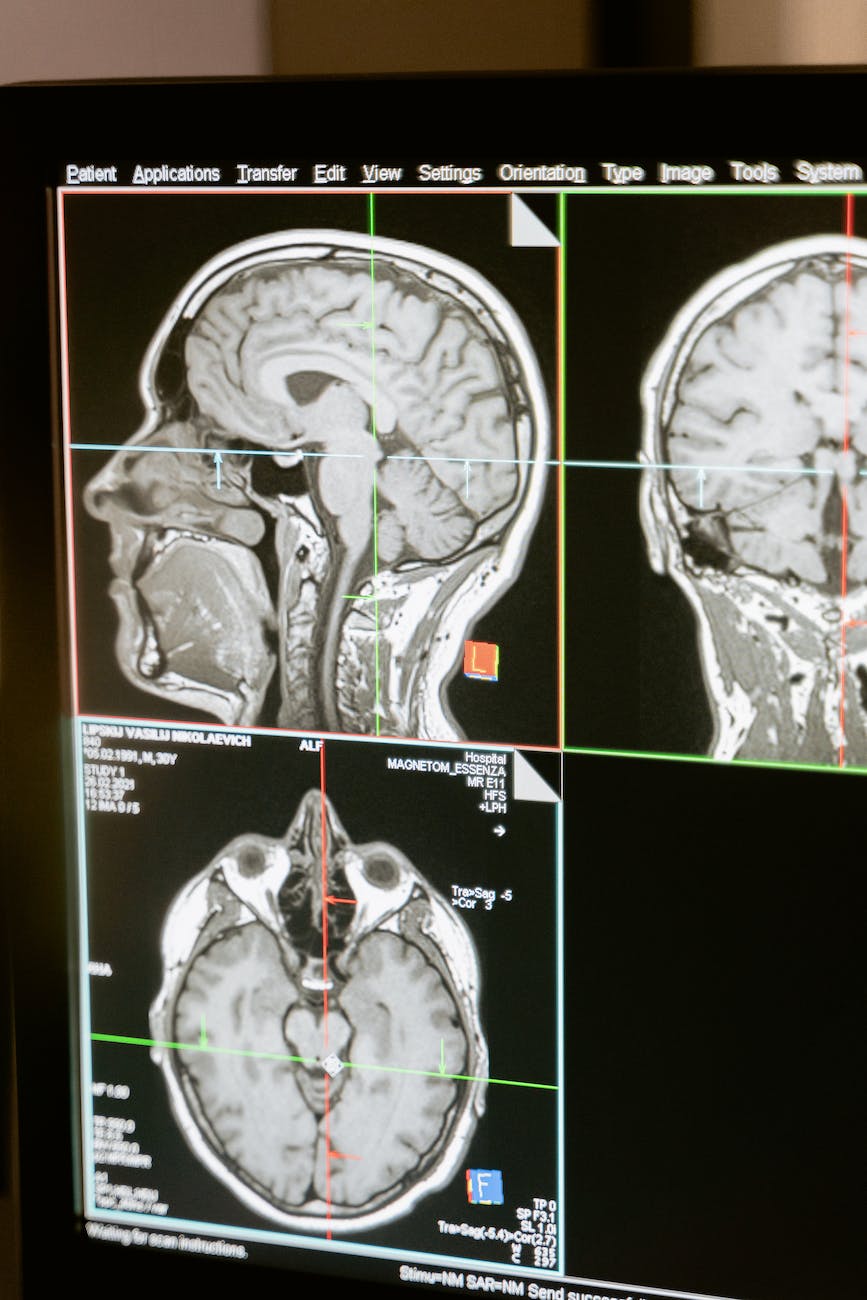
In the face of adversity and challenges, some individuals exhibit a remarkable ability to persevere, adapt, and thrive. This characteristic is often referred to as resilience, and it goes beyond mere coping – it’s a dynamic process involving a combination of mental attributes, brain development, behavioral traits, and even societal factors. In this article, we delve into the multifaceted science behind resilience, exploring how mental fortitude, neural plasticity, specific behaviors, and social dynamics contribute to the development of gritty individuals.
1. The Mental Attributes of Resilience
At the heart of resilience are various mental attributes that empower individuals to bounce back from setbacks. These include:
1.1. Positive Outlook and Optimism
Resilient individuals tend to maintain a positive outlook, even in the face of adversity. This positive mindset has been linked to better stress management and improved psychological well-being. Research by Seligman et al. (2005) demonstrated that optimism can enhance resilience and lead to greater success in various life domains.
Malala Yousafzai, the youngest Nobel Prize laureate, demonstrated extraordinary resilience after surviving an assassination attempt by the Taliban. Her optimistic outlook and determination to advocate for girls’ education showcase the power of a positive mindset.
1.2. Self-Efficacy
Self-efficacy, the belief in one’s ability to overcome challenges, is a key component of resilience. According to Bandura’s social cognitive theory, individuals with high self-efficacy are more likely to approach challenges with determination and persistence (Bandura, 1994).
Elon Musk’s journey is marked by self-efficacy. From the setbacks of multiple failed SpaceX rocket launches to the challenges faced by Tesla, Musk’s unshakable belief in his abilities contributed to his success in revolutionizing space travel and electric vehicles.
2. Brain Development and Resilience
The brain’s plasticity, its ability to reorganize and adapt, plays a crucial role in resilience. Adverse experiences can shape neural pathways, but the brain also possesses the capacity to rewire itself in response to positive influences.
2.1. Neuroplasticity
Neuroplasticity allows the brain to rewire itself in response to experiences and learning. Resilient individuals often exhibit enhanced neural plasticity, enabling them to recover more effectively from stressors. Studies by Davidson and McEwen (2012) highlight how mindfulness meditation, for example, can induce changes in brain structure associated with resilience.
The late Stephen Hawking, despite battling a debilitating motor neuron disease, continued to contribute groundbreaking theories to physics. His brain’s adaptability played a role in maintaining his intellectual prowess despite his physical limitations.
2.2. Stress Response and Regulation
The ability to regulate stress responses is linked to resilience. The hypothalamic-pituitary-adrenal (HPA) axis and the release of stress hormones play a role in this process. Resilient individuals exhibit efficient stress response regulation, as shown in research by Lupien et al. (2009).
Oprah Winfrey’s traumatic childhood experiences and later challenges did not deter her success. Her capacity to manage stress and transform adversity into motivation is a testament to her resilience.
3. Behavioral Attributes and Resilience
Behavioral attributes contribute significantly to resilience, shaping how individuals respond to challenges and setbacks.
3.1. Adaptability
Adaptability involves adjusting one’s behaviors and strategies in response to changing circumstances. Resilient individuals are often adept at quickly shifting their approach when faced with obstacles, as seen in the research by Tugade and Fredrickson (2004).
The transformation of Amazon from an online bookstore to a global e-commerce giant reflects Jeff Bezos’ adaptability and willingness to evolve his business model in response to market dynamics.
3.2. Problem-Solving Skills
Effective problem-solving is integral to resilience. Individuals who can analyze situations, identify solutions, and take decisive actions are better equipped to overcome challenges.
The late Nelson Mandela’s ability to navigate the complex political landscape of South Africa and lead a peaceful transition out of apartheid showcases his exceptional problem-solving skills and resilience.
4. The Sociology of Grit
Societal factors and support networks also contribute to resilience, highlighting the interplay between individual characteristics and external influences.
4.1. Social Support
Strong social connections provide emotional support and resources during difficult times. Resilient individuals often have robust social networks that offer encouragement and assistance.
After her tennis career-ending injury, Serena Williams found solace and strength through the support of her family and friends, allowing her to regain her position as one of the greatest athletes in history.
4.2. Growth Mindset Culture
A culture that promotes a growth mindset – the belief that abilities can be developed through effort – fosters resilience. Organizations and societies that value learning from failures create an environment conducive to resilience.
Pixar Animation Studios is known for its culture of embracing failure as part of the creative process. This mindset has led to numerous successful films despite initial challenges in production.
Resilience is a dynamic and intricate phenomenon that emerges from a blend of mental attributes, neural plasticity, behavioral traits, and societal dynamics. By understanding the science behind resilience and learning from real-life examples, individuals can cultivate their own grit and navigate life’s challenges with greater determination and adaptability.
References:
- Seligman, M. E. P., & Csikszentmihalyi, M. (2000). Positive psychology: An introduction. American Psychologist, 55(1), 5-14.
- Bandura, A. (1994). Self-efficacy. In V. S. Ramachaudran (Ed.), Encyclopedia of Human Behavior, 4, 71-81.
- Davidson, R. J., & McEwen, B. S. (2012). Social influences on neuroplasticity: Stress and interventions to promote well-being. Nature Neuroscience, 15(5), 689-695.
- Lupien, S. J., McEwen, B. S., Gunnar, M. R., & Heim, C. (2009). Effects of stress throughout the lifespan on the brain, behaviour and cognition. Nature Reviews Neuroscience, 10(6), 434-445.
- Tugade, M. M., & Fredrickson, B. L. (2004). Resilient individuals use positive emotions to bounce back from negative emotional experiences. Journal of Personality and Social Psychology, 86(2), 320-333.
 The Art of Grit
Leave a comment