
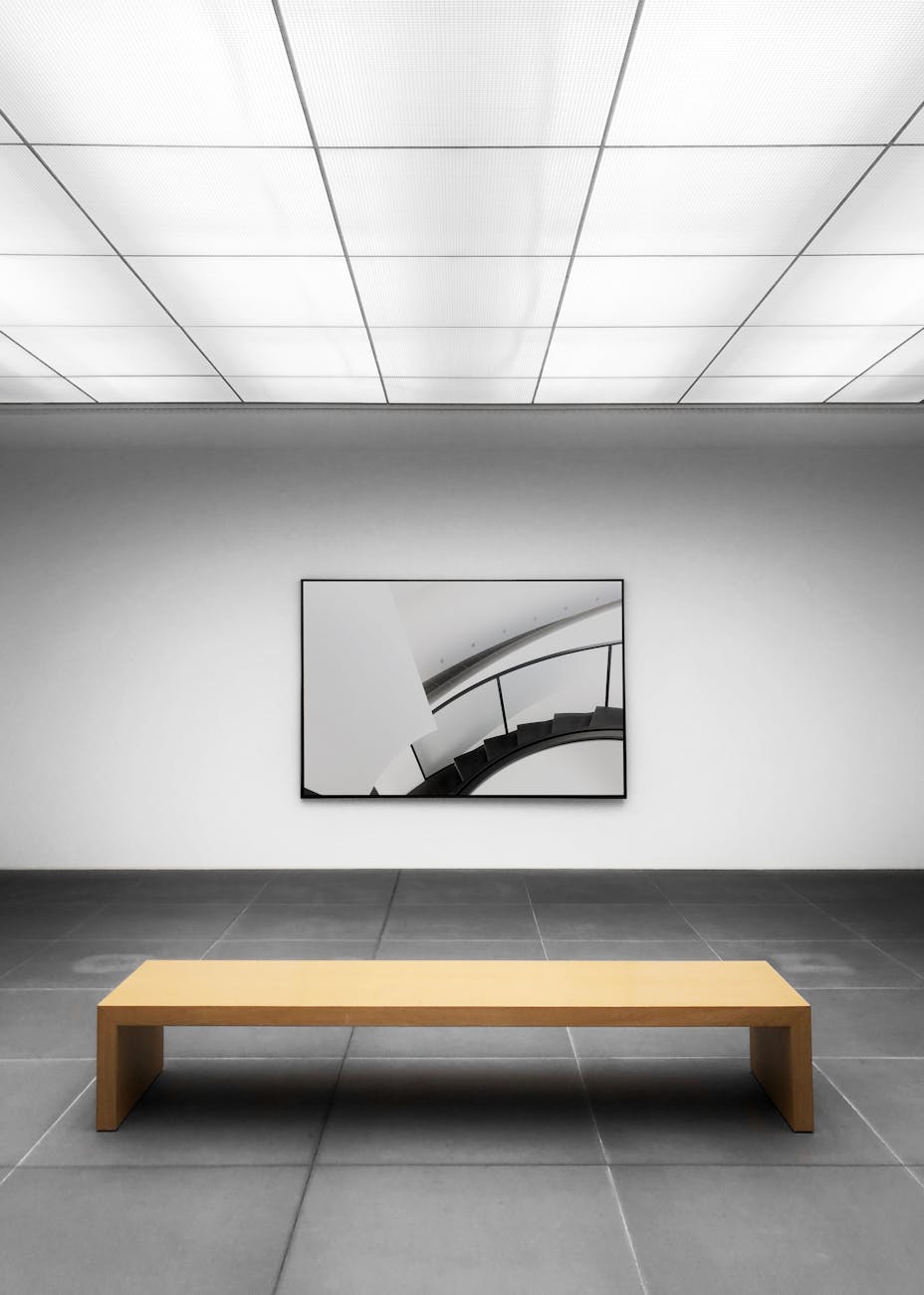
I’ve always felt that art plays a role far beyond what we often realize. It’s more than just something to look at, more than a collection of shapes and colors on a canvas. Art is the bridge between the visceral and the ether—between what we feel deeply but cannot quite express and the expansive realm that lies beyond human consciousness. As Leonora Carrington once said: “There are things that are not sayable. That is why we have art.” That quote resonates with me deeply. How often have I felt things that I couldn’t articulate? Sometimes, even words feel too limiting to express the fullness of an experience, a sensation, or a fleeting thought.
Art, in all its forms—whether it’s painting, music, writing, or sculpture—speaks in the spaces where language falls short. It allows us to say the unsayable, to reach into the depths of our emotions and give them form, without needing to explain them. It’s one of the few things that allows us to simply feel without the burden of logic or reason. I often find myself drawn to art that makes me pause—not because it makes sense, but precisely because it doesn’t.
But here’s the thing: so often, art is approached through the logical lens. It’s categorized, critiqued, and analyzed until it fits into neat little boxes, as if we’re trying to make sense of it. I get it—our minds love structure. We’re taught to understand things, to name them, to label and assign meaning. But I think art, at its core, offers balance to this rigidity. It pushes back against that urge to control, and in doing so, it frees us. When I think of Kurt Schwitters’ words, “Art is a spiritual function of a man which aims at freeing him from life’s chaos,” I can’t help but reflect on the ways in which art has personally liberated me.
When life feels overwhelming or chaotic, when the world is pulling me in a thousand directions, I turn to art. Not necessarily to understand it, but to escape—to release. I’ve realized that art doesn’t have to be understood in a conventional sense to be meaningful. Sometimes, it’s about feeling something you didn’t know was there, about connecting with a part of yourself that’s been buried beneath the surface of daily life.
Art is freeing precisely because it doesn’t need to conform. It doesn’t ask you to make sense of it; it simply invites you to experience it. And in that experience, we find a kind of liberation—an escape from the rules that usually govern our lives. It offers a glimpse into the unknown, into the uncharted territories of our own minds and spirits. It’s that space where we don’t have to know everything, where we can just be.
As I think about all this, I can’t help but wonder: how often do we let art do its job? How often do we allow it to lift us from life’s chaos without trying to dissect it? Maybe that’s what art is really about. Maybe it’s not just about creating something beautiful or meaningful, but about creating space for ourselves—space to breathe, to feel, and to let go of everything that confines us.
So, I find myself asking, when was the last time I truly let art move me? Not in a way I can explain, but in a way I can simply feel? And when was the last time I created something—not for anyone else, not for any reason other than to free myself from the confines of logic and expectation?
Art, in its truest form, asks nothing of us except that we let it in. It speaks in its own language, one that doesn’t need translation, only attention. Maybe that’s the gift of art: the chance to reconnect with parts of ourselves that have been silenced, and the freedom to express what words never could.
So, I invite you to think about your own interactions with art. How does it enrich your life? Do you approach it with an open heart, allowing it to speak to you in ways that go beyond logic and words? Or do you find yourself dissecting and analyzing, trying to fit it into a box? Maybe today, take a moment to let art do its job—to free you from the chaos and bring you back to yourself.
 The Art of Grit
Leave a comment