
(4 Minutes)
I’ve always believed that the clothes we wear are more than just something we put on to cover our bodies. They are a form of communication, a tool that helps us express our personality, our moods, and even our values. Dressing well isn’t about following trends or fitting into a mold—it’s about creating a personal style that feels authentic to who we are.
For those who feel overwhelmed by the idea of dressing well, especially in a world flooded with ever-changing trends, I want to offer a simple framework to guide you. Over the years, I’ve honed my approach to style down to three core principles: fit, function, and fabric. These three elements are timeless and universally applicable, helping anyone—from the sartorial novice to the seasoned dresser—navigate the world of personal style.
1. Fit: Where Comfort Meets Confidence
When I first began paying more attention to how my clothes fit, I quickly realized it wasn’t just about buying clothes that looked good in the store. Fit, at its core, is about how your clothing works with your body—and how it makes you feel when you wear it.
Comfort and Range of Movement
Fit is about comfort and freedom of movement. It’s about clothes that let you go about your day without restriction, whether you’re walking, sitting, or stretching. For instance, a jacket should sit comfortably on your shoulders and chest without pulling, and trousers should allow you to walk with ease. If your clothes are too tight or too loose, it can become uncomfortable and distracting—both physically and mentally. You might feel uneasy about how you look, or worse, too focused on your clothes to enjoy the moment.
Visual Silhouette
Beyond physical comfort, fit also affects the visual silhouette. Clothes that fit well flatter your body and enhance your natural proportions, helping you feel balanced and confident. Whether you’re taller or shorter, leaner or more muscular, your clothes should follow the lines of your body in a way that feels natural and flattering. When your clothes fit properly, they create a sense of equilibrium between the clothes and your body, elevating your overall presence without drawing attention to the clothes themselves.
I’ve found that the best fit is one that doesn’t look forced. It’s a fit that allows you to move freely, but also makes you feel at ease with how you look.
2. Function: Dressing with Awareness and Intention
For me, understanding function has been one of the most important revelations in my journey toward dressing well. Function is not just about wearing the “right” thing for the right occasion—it’s about dressing with purpose, paying attention to the environment you’re in, and aligning your outfit with the context of that moment.
Appropriate for the Occasion
When I was younger, I would often dress without fully considering the occasion. But over time, I’ve learned that understanding the function of your clothes is a key part of dressing with intention. The clothes you wear should align with the environment you’re entering. Whether it’s a formal event, a casual gathering, or a professional meeting, dressing appropriately signals respect for the occasion and the people around you.
Think about the difference between dressing for a wedding and a weekend barbecue. At a wedding, a suit or a nice dress makes sense—it’s a way of showing respect for the significance of the event. At a barbecue, on the other hand, you might opt for something more laid-back, but still thoughtfully put together. Dressing for function means understanding the tone of the event and dressing accordingly.
Coherence and Consistency
The principle of function also extends to the coherence of your outfit. Your clothes should feel unified—from head to toe. This doesn’t mean every piece has to match perfectly, but there should be a consistent thread that ties the elements of your outfit together. A well-coordinated look makes you appear intentional, while a mismatched outfit can create a sense of discord, even if the individual pieces are nice on their own.
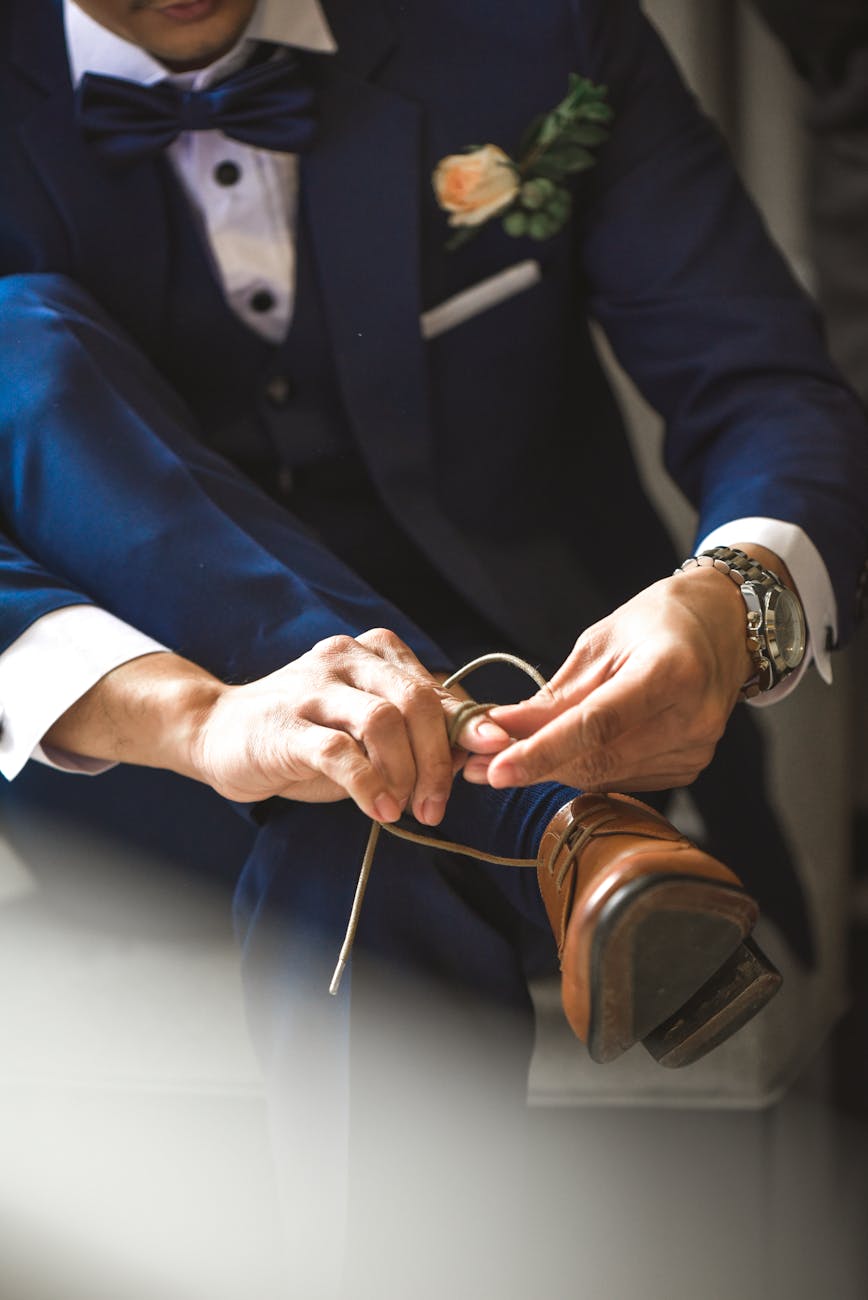
A good example of this is a suit. A classic suit looks most refined when all the elements—jacket, trousers, shirt, tie, and shoes—work together in harmony. A mismatch in formality or function, like wearing sneakers with a formal suit, can create a jarring effect. The same goes for casual attire: a simple t-shirt with jeans works well when the fabric and fit are considered, but a sloppy fit or overly casual pieces might make the whole ensemble feel disjointed.
3. Fabric: The Subtle Power of Material
The third pillar of dressing well is fabric. Fabric has a unique way of influencing the overall feel of your outfit. It’s not just about how a fabric looks—it’s about how it interacts with your body and how it helps convey the message you want to send.
The Practical Element of Fabric
Certain fabrics are designed for specific functions. Wool is excellent for colder weather because it’s warm yet breathable; cotton is lightweight and breathable for warmer months; and fabrics like waxed canvas are water-resistant, perfect for outdoor activities. Fabric should complement the environment in which you’re dressing. But beyond just its function, fabric is also about how it feels on your skin. The right fabric can make you feel comfortable and confident, while the wrong one can cause discomfort or undermine the overall effect of your outfit.
The Emotional and Symbolic Power of Fabric
What’s often overlooked is how fabric communicates its own message. Different materials evoke different emotions and associations. For example, a silk tie conveys a sense of luxury, while denim represents rugged durability. Tweed might evoke thoughts of tradition, while a leather jacket can signal confidence and rebellion. The fabric you choose can subtly tell a story about who you are and what you value.
In my own wardrobe, I’ve come to appreciate the quiet power of fabric. There’s something about wearing a finely tailored wool suit or a well-worn leather jacket that makes me feel grounded. Fabric plays a crucial role in how an outfit feels, and it can make a statement without a single word. For me, fabric has become a way to express my personal style in ways that go beyond just fitting into a trend.
Bringing It All Together
When I look at these three principles—fit, function, and fabric—it becomes clear to me that dressing well isn’t about perfection or following fleeting trends. It’s about creating a wardrobe that works for you, that feels aligned with your life and your values. By focusing on these timeless elements, anyone can build a style that’s sustainable, personal, and versatile.
These principles—while simple—offer a strong foundation for anyone looking to elevate their wardrobe. Fit helps you feel comfortable and confident, function ensures you’re dressed appropriately for any occasion, and fabric brings your look to life, communicating deeper layers of who you are.
I’ve found that focusing on these elements has allowed me to feel at ease with my style, no matter the situation. It’s about choosing clothes that speak to who I am today while being aware of the context I’m in. In a world that constantly pushes new trends, these principles have remained constant, and I believe they offer a timeless approach to dressing.
I’d love to hear how you approach dressing well. What’s your take on the relationship between fit, function, and fabric? Do you have any tips or challenges you’ve encountered along the way? Let’s keep this conversation going—after all, style is about more than clothes; it’s about how we present ourselves to the world.
This version is more reflective and conversational while offering insights into how the three principles play into dressing well. It provides both practical advice and personal musings, creating a more engaging and thought-provoking read.
 The Art of Grit
Leave a comment