
(6 Minutes)
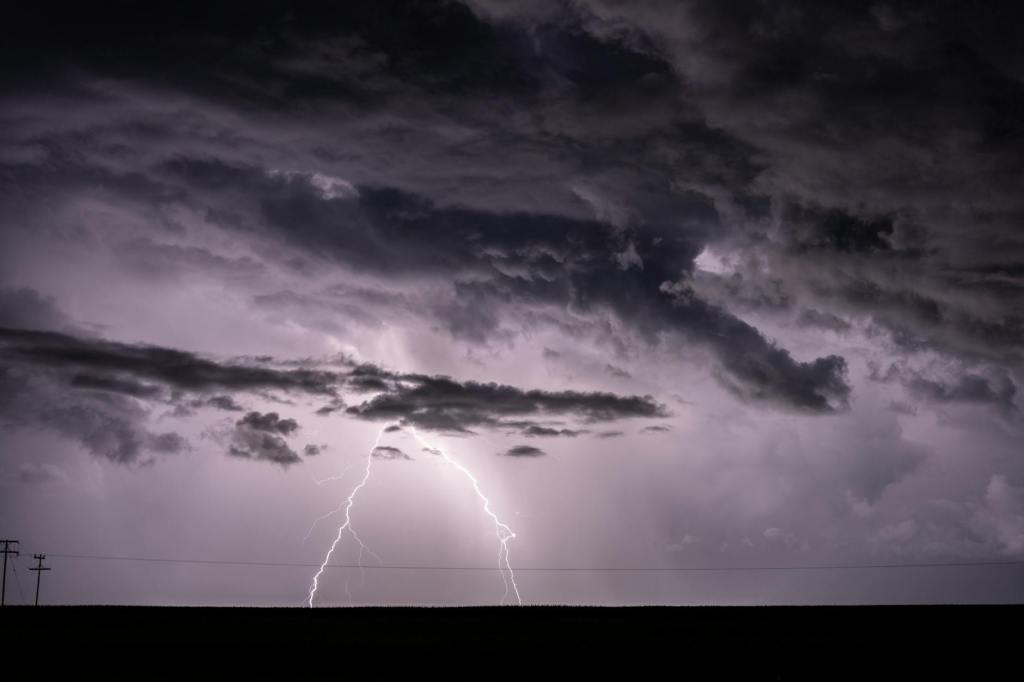
Lately, I’ve been thinking about the world as if it were a great pot of simmering chaos—one that’s being deliberately stirred by a select few, while the rest of us are left to wonder what’s coming next. Governments, corporations, power brokers—they thrive in uncertainty, manipulating the narrative while everyday people feel the weight of unpredictability pressing down on them.
Economic and political instability are not abstract concepts; they seep into the smallest corners of life. They dictate whether people can afford groceries next week, whether a business can survive the next quarter, whether a family can safely stay in their home. And yet, those who suffer the most are often treated not as human beings with histories, struggles, and dreams, but as mere numbers—yes or no, in or out, worthy or disposable.
Where cruelty exists, I have always believed stupidity follows close behind. There’s a level of thoughtlessness in how the world’s most powerful make decisions, a complete disregard for the basic dignity of those affected. Illinois Governor J.B. Pritzker put it bluntly: “Cruelty is a reliable indicator of idiocy.” And right now, those indicators are flashing everywhere. Policies are being shaped not with wisdom, but with arrogance. Decisions are being made with brute force rather than foresight. It’s as if, in the rush to maintain control, those at the helm have abandoned the very notion that intelligence and compassion can coexist.
And yet, what unsettles me even more is the silence.
For those of us on the safer shore—those who aren’t directly impacted by the worst of it—there’s an uncomfortable choice: do we engage, or do we stand by? And more often than not, people choose to stand by. Not necessarily out of malice, but because they don’t know what else to do. Because there’s this lingering belief that being empathetic requires something grand, something heroic. That if we can’t single-handedly fix the problem, there’s no point in trying.
But I don’t think empathy works that way.
Empathy isn’t about changing the world overnight. It’s not even about being vocal in every moment of injustice. It’s about the quiet choices we make every day—the ones that, over time, shape who we are. It’s the words we tell ourselves when we witness suffering. It’s the belief, deep down, that there is something we can do, even if it’s small.
And maybe that something starts closer to home than we realize.
Maybe it’s in the way we talk to our kids, teaching them to see the world with curiosity instead of cynicism, with kindness instead of detachment. Maybe it’s in how we connect with our neighbors—not just the ones we already like, but the ones whose experiences or perspectives we don’t fully understand. Maybe it’s in how we show up for our friends, not with hollow words but with a willingness to listen, to share, to remind them they’re not alone.
Because empathy doesn’t require a stage. It doesn’t demand that we dismantle the system by ourselves. It asks only that we refuse to become numb, that we resist the pull of indifference. That we choose, in ways big and small, to create spaces where consideration and humanity still matter.
Because the alternative—sinking into cynicism, believing in our own powerlessness—serves no one but those stirring the pot.
I don’t want to be another bystander, shaking my head at the world’s cruelty while doing nothing to counterbalance it. I don’t want to let my frustration turn into apathy. If all I can do is be more aware, more intentional in my kindness, more willing to listen when someone else is struggling—then that, at the very least, is a place to start.
One less person choosing indifference.
One more person choosing to believe that even in the face of uncertainty, something can be done.
 The Art of Grit
Leave a comment