
(5 Minutes)
Sir Hardy Amies once said, “A man should wear his clothes as if he bought them with intelligence, put them on with care, and then forgot all about it.”It’s the kind of insight that lingers, revealing more the longer you sit with it. At first, it sounds like a simple rule of dressing well. But beneath it lies something deeper—an approach to style that is not about fashion at all, but about presence.
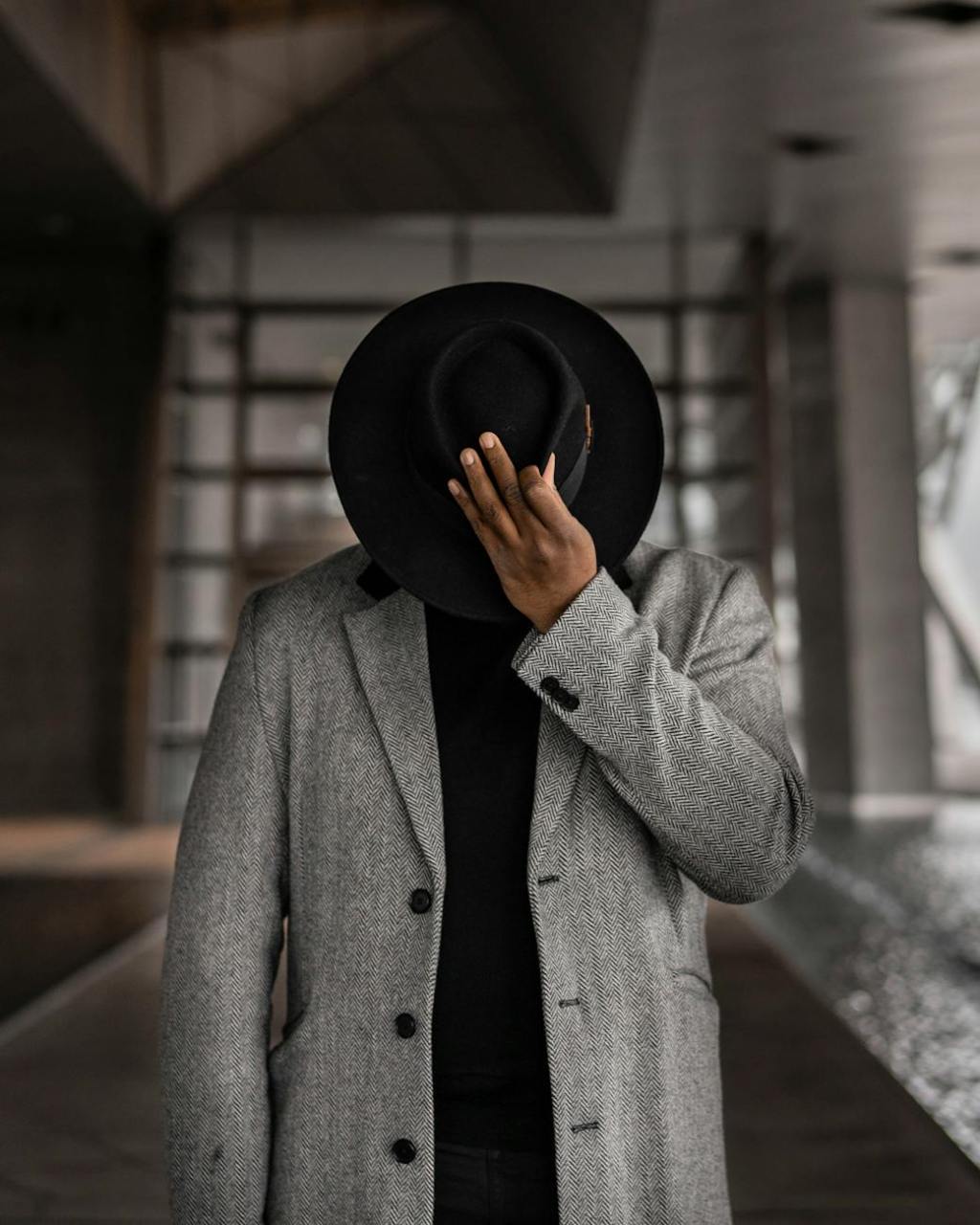
The best-dressed people aren’t the ones who look the most effortful. They don’t fidget with their cuffs or glance at their reflection in every passing window. They carry themselves with a quiet ease, their clothing an extension of who they are rather than a performance they’re putting on. There’s an unspoken confidence in dressing well—not for approval, not for spectacle, but as a natural expression of self.
This begins long before getting dressed. Buying clothes with intelligence isn’t about chasing trends or filling a closet with labels. It’s about knowing yourself—your proportions, your lifestyle, the colors and cuts that work effortlessly for you. A well-cut jacket, a perfectly weighted sweater, a pair of shoes that mold to the way you move—these are not just purchases; they are choices that remove the need for constant decision-making. When done well, style simplifies rather than complicates.
And then, there’s the moment of dressing. There’s a small, almost imperceptible ritual in putting on clothes with care. The way a collar settles naturally against the neck, the subtle alignment of a belt, the slight break in a pant leg that signals the right length—these details are not about perfection, but about presence. To dress with care is not to be overly meticulous; it’s to acknowledge that small gestures matter. And yet, the beauty of well-chosen clothes is that they ask for nothing extra—no adjustments, no overthinking. They simply work.
And then, you let it go. Because the final act of style is to forget all about it. The most compelling presence is one that is not weighed down by self-consciousness. True style exists in the background, supporting you without demanding attention. You step into your day not thinking about how you look, but about the things that actually matter—conversations, experiences, movement, moments.
Perhaps this is why the best style feels effortless. It doesn’t seek approval. It doesn’t insist on being noticed. It communicates without speaking, leaving an impression not because it tries to, but because it simply is. The right cut, the right fit, the right ease of movement—these are quiet signals, recognizable only to those who are paying attention.
Hardy Amies wasn’t just giving fashion advice; he was offering a philosophy. Thoughtful choices, effortless execution, and then—release. A lesson in dressing, perhaps, but also a lesson in life.
 The Art of Grit
Leave a comment