
(7 minutes)
For a long time, I measured my days by how much they took out of me.
If I was exhausted by the end of it, I felt like I had done something worthwhile. If my calendar was full, my mind stretched thin, and my body tired, I took it as evidence that I was moving my life forward.
It felt honest. Responsible, even.
Work hard. Push harder. Keep going.
That mindset has served me in many ways. It has helped me build, endure, and stay committed when things got difficult. But it also taught me something incomplete: that motion and progress are the same thing.
And they aren’t.
This has been one of the harder lessons for me to learn because I genuinely enjoy being productive. I like movement. I like momentum. I like knowing that something tangible got done.
In business, productivity feels clean. Numbers move, projects advance, goals become visible.
In physical training, effort feels even simpler. Push harder, sweat more, improve.
Even in family life, staying active can feel like love in action—showing up, solving problems, creating opportunities, carrying responsibilities.
But over time, I started noticing something.
There were seasons where I was moving constantly but not necessarily moving well.
I was doing more but understanding less.
Producing more but recovering less.
Giving more while slowly becoming emptier myself.
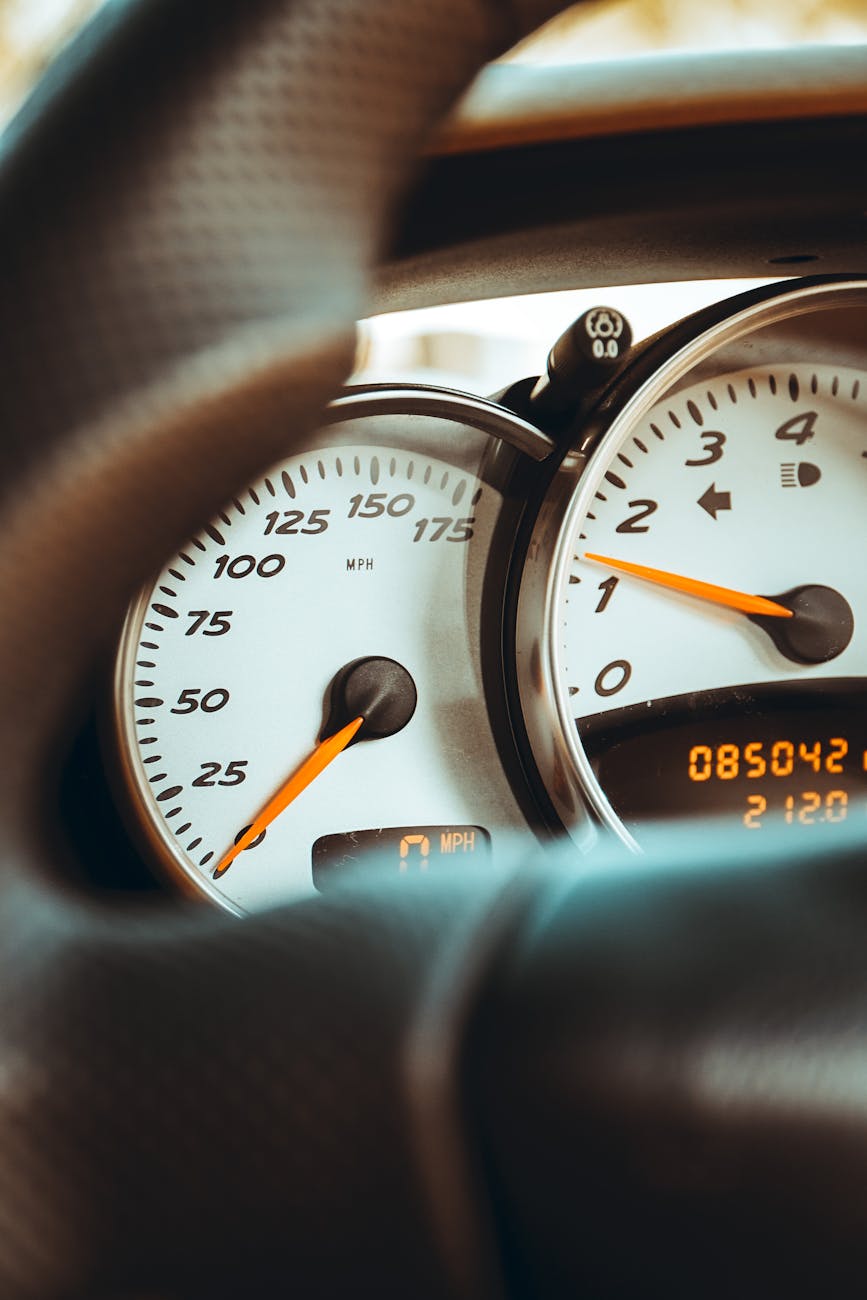
And that’s when I started realizing that speed can be misleading.
Because speed gives us a feeling of importance.
It makes us feel useful.
Needed.
Effective.
But speed by itself tells us nothing about direction, health, or sustainability.
A car stuck in mud can spin its wheels at full speed and go nowhere.
And if I’m honest, I’ve had seasons of life that felt exactly like that.
A lot of effort. A lot of noise. A lot of fatigue.
But not always real progress.
I think many of us live inside this confusion.
We attach movement to accomplishment because the world around us reinforces it. Being busy is often praised. Being tired is admired. We talk about long hours like medals and sleepless nights like proof of seriousness.
And to be fair, there is truth in that.
Hard work matters.
Effort matters.
Commitment matters.
There is no meaningful life without labor.
Things worth building demand something from us.
Business does.
Fitness does.
Parenting certainly does.
No one builds strength, character, or legacy by avoiding effort.
That part is true.
But what is also true—and what often gets ignored—is that recovery is not separate from progress. It is part of progress.
That idea is harder to accept because recovery looks passive.
It doesn’t photograph well.
It doesn’t impress people.
No one applauds the pause.
But history reminds us that some of the most important progress in human life has depended on restraint as much as force.
Winston Churchill understood this in a way that feels deeply human. During the darkest periods of World War II, when the pressure on him was unimaginable, Churchill was known for protecting his rest and his thinking time. Even while carrying the weight of war, he understood that endurance required rhythm. He napped. He paused. He thought.
Not because he lacked urgency.
But because clear thinking was part of leadership.
That matters to me because it challenges the idea that stopping is weakness.
Sometimes stopping is strategy.
In physical training, this truth is undeniable. The body does not become stronger during the workout itself. The workout creates the stress. Recovery creates the adaptation.
Without recovery, training stops being productive and starts becoming destructive.
I’ve learned this firsthand.
There’s always a temptation to do more because doing more feels noble.
But more is not always better.
Sometimes more is simply more.
Business works the same way.
Some of my best decisions didn’t come while grinding through the problem. They came after stepping away from it.
Not because I stopped caring, but because space gave me perspective.
Distance allowed clarity.
And family life may be where this lesson feels most personal.
There is a difference between providing and being present.
A difference between managing a family and actually experiencing one.
I’ve felt that tension often.
Wanting to do everything, solve everything, provide everything, only to realize that my presence was arriving tired.
There, but not fully there.
And what good is speed if it costs us the ability to feel the life we’re trying so hard to build?
This reminds me of Abraham Lincoln and the old lesson about sharpening the axe before cutting the tree.
The wisdom is simple because the truth is simple: preparation and restoration are part of the work.
But in our culture, only visible effort gets celebrated.
The invisible parts—rest, thinking, healing, reflecting—are often mistaken for inactivity.
That’s a costly mistake.
Because life moves in cycles.
Day and night.
Winter and spring.
Stress and recovery.
Even the human heart functions through tension and release.
It contracts and expands.
Both are necessary.
Imagine if it only knew how to contract.
That wouldn’t be strength. That would be collapse.
I think that’s what happens to many of us.
We become excellent at contracting.
At pushing.
At carrying.
At enduring.
But poor at releasing.
Poor at recovering.
Poor at allowing ourselves the space to repair.
And then we wonder why progress feels heavy.
Why joy feels distant.
Why the things we love begin to feel like obligations.
I’m not writing this as someone who has figured it out.
I’m writing it as someone still learning.
Still catching myself measuring value through exhaustion.
Still feeling guilty when resting.
Still tempted to equate busyness with meaning.
But I’m learning to ask a better question.
Not, “How much did I do today?”
But, “Did what I did matter?”
That question has changed how I look at my work, my body, and my family.
Because real movement is not just about pace.
It’s about direction.
It’s about timing.
It’s about knowing when effort creates growth and when recovery protects it.
That balance is not easy.
Sometimes life demands speed.
Deadlines exist.
Responsibilities are real.
Children need us.
Bills need paying.
Dreams require sacrifice.
But speed cannot be the only gear we know.
If it is, eventually we lose the very thing we’re trying to build.
Health.
Peace.
Presence.
Perspective.
Maybe the goal is not to move less.
Maybe it’s to move wiser.
To understand that rest is not the opposite of work but a partner to it.
That recovery is not weakness but maintenance.
That slowing down is sometimes the most honest form of moving forward.
I think many of us need permission to believe that.
Not because we are lazy.
But because we have been taught that worth is tied to output.
And it isn’t.
Some of the most important things in life cannot be rushed.
Trust.
Healing.
Growth.
Connection.
Understanding.
These things move at their own speed.
And maybe maturity is learning to respect that speed instead of fighting it.
I’m still learning.
But I know this now:
Being busy does not always mean being effective.
Being tired does not always mean being faithful.
And moving fast does not always mean moving forward.
Sometimes progress feels like action.
Sometimes it feels like stillness.
The wisdom is knowing the difference.
And maybe that difference is where a fuller life begins.
What about you?
Where in your life have you confused effort with progress? And where might recovery be the missing part of your movement?
 The Art of Grit
Leave a comment