
(8 Minutes)
By the end of the 1970s, Patti Smith had done what most artists only imagine. Her first album, Horses, had changed what a rock record could be. She had a hit on the radio. She was a poet who filled concert halls, a figure people pointed to when they talked about where music was going next.
Then she left.
She married the guitarist Fred “Sonic” Smith and moved with him to a quiet lakefront community outside Detroit. For the better part of sixteen years she largely disappeared from public life. She released one album in all that time. She did not tour. To the world that had watched her rise, it looked like an ending.
Some people took it personally. A voice that had seemed to belong to everyone had gone somewhere they couldn’t follow. The assumption, mostly unspoken, was that she had given something up. That the real work was over. That whatever came next, if anything did, would be smaller.
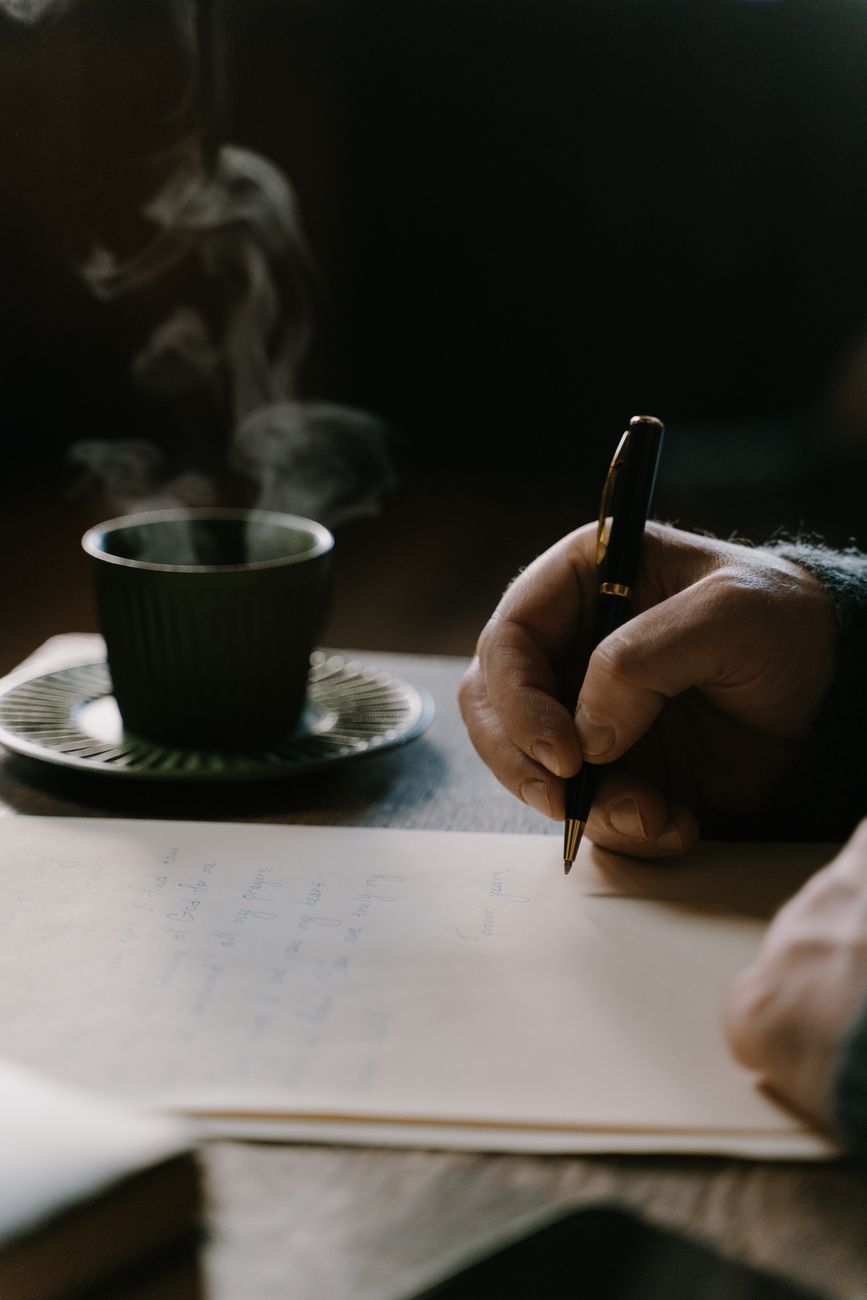
What was actually happening in those years was ordinary, and it was not small. She raised two children. She and her husband learned to live frugally. And she wrote. Every day, she later said, in a way she never could on the road. Looking back, she described her public years as exciting and rewarding, but not the place where she was growing as an artist. In stepping back, she said, she returned to her original calling.
From outside, it was a long silence. From inside, it was a life, and a practice, and a voice being made.
There is a line from her that people often quote: In life may you proceed with balance and stealth. It is easy to misread that word, stealth. It does not mean secrecy, and it does not mean withdrawal. It means moving without announcing. Doing the real thing without needing it to be witnessed. Letting the work grow in the dark, the way roots do, before anyone sees what comes up.
We live in a culture that has trouble with this. Visibility has become a kind of proof. If something is not seen, we half suspect it isn’t happening. If someone is not posting, performing, producing in public, we assume they have stopped. It is easy to mistake being seen for being significant.
But most of what shapes a life happens out of view. The years spent raising children. The years of caring for someone. The long, unglamorous stretches of practice no one claps for. The seasons when a person steps back, not because they have nothing left to give, but because something in them needs room to grow. From the outside, those seasons look like absence. They are often the opposite.
Her return, when it came, was not a triumphant plan. It came through grief. In a few short years at the turn of the 1990s she lost one person after another: her oldest friend, the photographer Robert Mapplethorpe, then her longtime pianist, then her husband, then her brother. Friends who loved her came to coax her back toward a stage. She came back older, quieter in places, carrying everything those years had given and taken. The music she made then was more meditative than before. The books she would go on to write, including a memoir of her early years in New York, found readers who had never heard Horses.
None of that work came from nowhere. It came from the years everyone thought she had stopped.
It is worth asking where we have made the same mistake about other people. The friend who seemed to vanish into a hard season. The colleague who stepped off the visible track. The parent who disappeared, for a while, into the life of a family. It is worth asking where we have made it about ourselves, judging a quiet season as a wasted one because nothing in it could be shown.
Some of the most important work any of us will do will never be seen while it is happening. It will only be visible later, in what it made possible.
The world called those years her absence. She called them the years she wrote every day.


Leave a Reply